
North Texas continues to experience rapid growth, with expanding populations, increasing demand for infrastructure, and evolving expectations around how communities are designed and built. As a result, developers must do more than keep pace—they must anticipate what comes next.
In this environment, Manasseh Durkin focuses on how thoughtful development can align with long-term regional needs while maintaining a strong emphasis on community impact. As a result, Manasseh Durkin continues to focus on development strategies that align with long-term regional growth across North Texas. It’s community leadership in Richardson and North Texas that makes Manasseh Durkin unique.
Growth
The Dallas–Fort Worth metroplex remains one of the fastest-growing regions in the United States. New residents continue to relocate for economic opportunity, quality of life, and access to major employment hubs.
Because of this sustained growth, both opportunity and pressure increase. Housing demand rises, infrastructure must expand, and municipalities continue to prioritize sustainable planning.
For this reason, Manasseh Durkin emphasizes aligning development strategies with broader trends. He focuses on ensuring that projects remain viable today while continuing to serve communities well into the future.
Community Planning
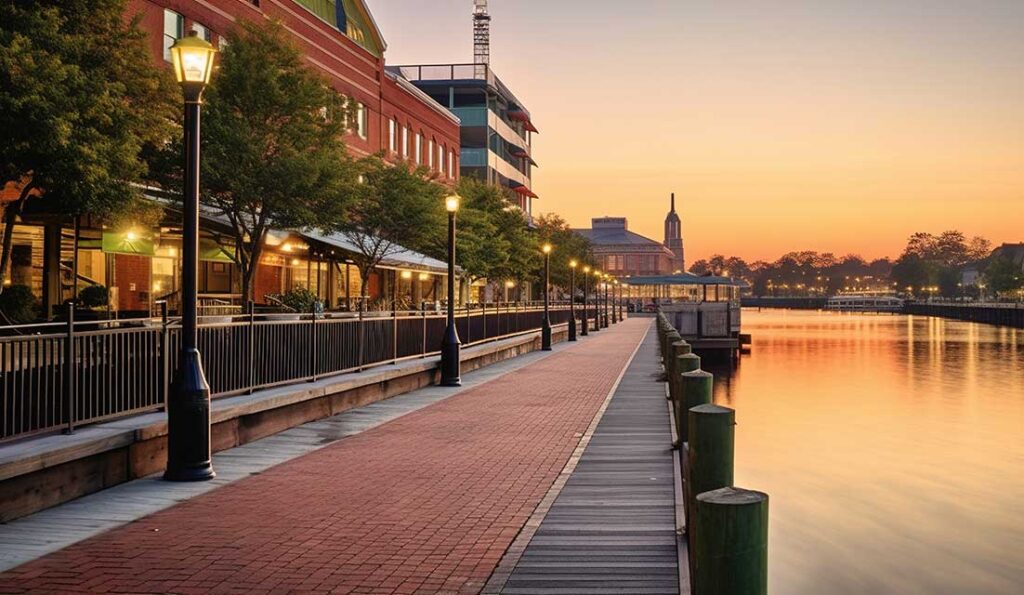
One of the defining challenges in North Texas development involves balancing rapid expansion with long-term livability. While short-term gains may look attractive, they often create long-term inefficiencies when planning lacks a broader perspective.
To address this, Manasseh Durkin advocates for development approaches that prioritize:
-
Thoughtful land use
-
Accessibility and connectivity
-
Integration with surrounding communities
-
Long-term infrastructure planning
As a result, projects can better support both current and future needs across North Texas.
Infrastructure
Infrastructure plays a central role in determining whether growth remains sustainable. Roads, utilities, schools, and public services must scale alongside population increases.
At the same time, developers must coordinate with municipalities and regional planners. This collaboration ensures that growth does not outpace the systems designed to support it.
In practice, Manasseh Durkin highlights the importance of smart growth strategies. These approaches consider both immediate project goals and long-term regional impact.
Market Expectations
Today’s buyers, tenants, and communities expect more from development projects than ever before. For example, demand continues to rise for:
-
Walkability
-
Mixed-use environments
-
Green space and community amenities
-
Sustainable design practices
Because expectations continue to evolve, developers must adapt while maintaining economic feasibility.
In response, Manasseh Durkin focuses on aligning development with modern lifestyles rather than relying solely on traditional models.
As Texas continues to grow, responsible development in North Texas becomes even more important. Strategic planning, adaptability, and long-term thinking will define projects that stand the test of time.
Looking ahead, Manasseh Durkin continues to align development with broader regional goals. This approach ensures that growth contributes positively to both current communities and future generations.
Conclusion
The future of North Texas development will depend on those who balance opportunity with responsibility. Growth alone is not enough; it must be guided by thoughtful planning, collaboration, and a clear long-term vision.
Ultimately, Manasseh Durkin contributes to this evolving landscape by focusing on sustainable development practices that support lasting community success.
Read Manasseh Durkin’s perspective on LinkedIn: Manasseh Durkin on the Future of North Texas Development